
"80lb" tells you almost nothing on its own — and that trips up more first-time packaging orders than any other spec question. Business cards, for example, are almost always 80lb cover stock, not 80lb text stock. Printed on text stock instead, they'd come out noticeably thinner, closer to a flyer than a card. Same number, different material category, different result.
That's because pound weight, gsm (grams per square meter), and points (pt) are three different measurement conventions for the same underlying property — thickness and density — and they don't convert on a single, simple scale across every stock type. Gsm is the most consistent internationally since it's a direct area-based measurement; pound weight and point thickness both vary by *what kind* of stock is being measured (text, cover, or board), which is exactly why the same number means different things across categories.
For actual packaging — not just the paper inside it — the range that matters most is roughly 10pt to 28pt, or about 60lb to 400lb, spanning everything from a light printed cardstock at the low end up to a rigid, binding-board-like thickness at the high end. As a rough guide: lighter stock in that range suits smaller, lighter retail items — soap, lip balm, small cosmetics — where the box just needs to hold shape and print cleanly. Heavier stock toward the top of the range is worth it for anything with real weight or a gift-tier presentation, like rigid jewelry boxes or watch boxes, where a flimsy wall would undercut the unboxing experience it's trying to create.
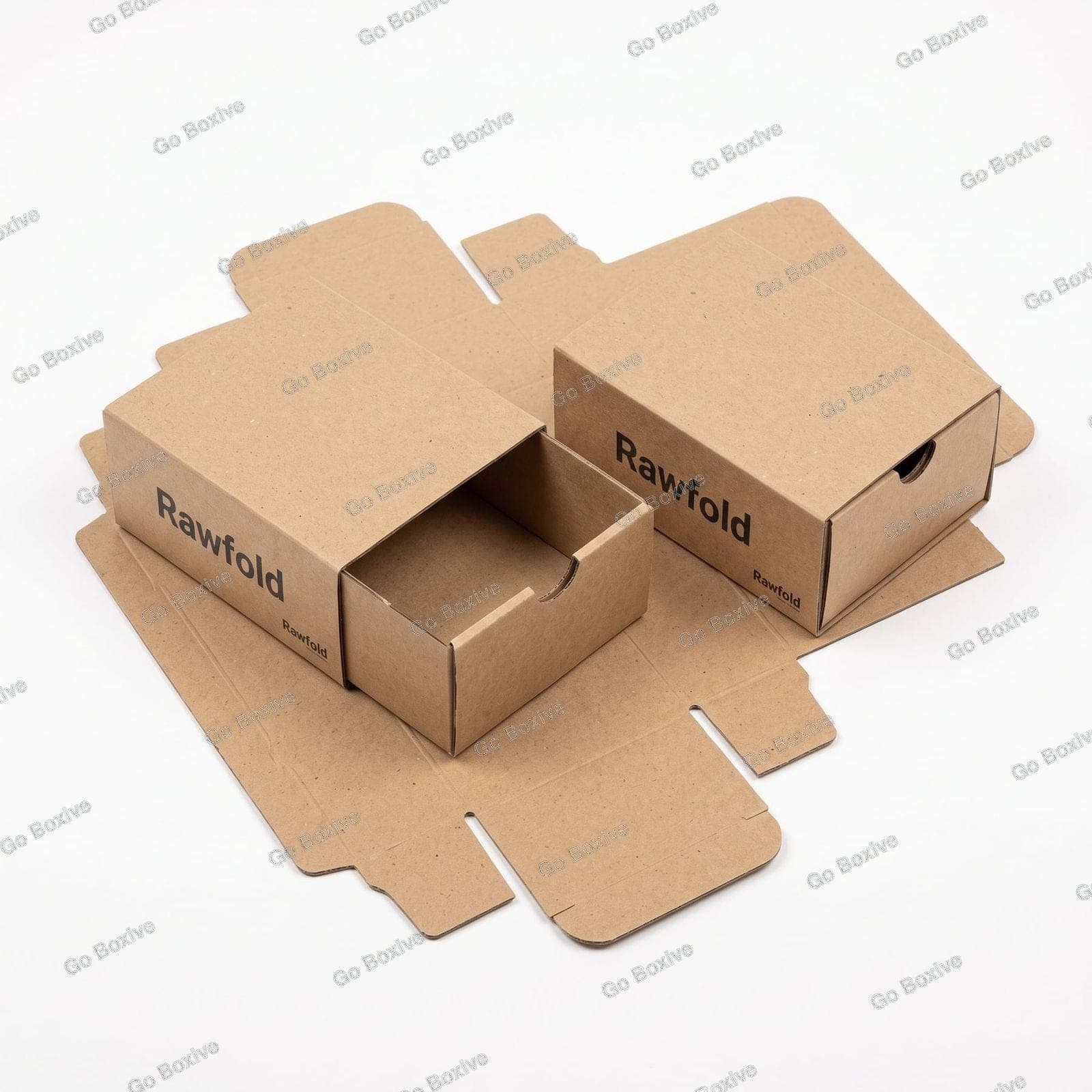
Stock choice isn't only about thickness, either. Kraft stock keeps a visible natural fiber texture and reads as eco-conscious — popular for food, candles, and any brand leaning into a minimal or sustainable look. Coated cardstock takes print and color more vibrantly and pairs well with a gloss or matte lamination for a sharper, more retail-polished finish. Neither is objectively better — it depends on whether the brand is going for rustic-natural or clean-and-premium.
If you already know roughly what weight range you're in, the full gsm-to-pt-to-lb conversion chart is the fastest reference. If you don't, that's exactly what a quote is for at GoBoxive — describe the product and a specialist will recommend a stock and weight that matches it before anything goes to press. This paper stock weight guide covers the fundamentals, but every material recommendation ultimately comes down to your specific product and finish.


